Crafting Exceptional Bespoke Produce Boxes: A Comprehensive Walkthrough
Building custom produce boxes demands a strategic approach. Professionals must examine environmental responsibility, functionality, and aesthetics. Picking the suitable materials is vital for preserving freshness and promoting eco-friendly practices. Furthermore, dimensions and configuration can greatly influence usability and shipping efficiency. Effective visual elements enhance brand recognition, while detailed testing guarantees longevity. Grasping these elements will reveal key understanding into creating exceptional container strategies that appeal with consumers. What comes next is fundamental to achieving those goals.
Selecting the Appropriate Materials for Custom Produce Boxes
When selecting materials for custom produce boxes, it is critical to assess both functionality and sustainability. The decision of material considerably influences the box's resilience, weight, and ability to protect the contents. Common materials feature corrugated cardboard, which supplies strength and is recyclable, making it a popular choice for eco-conscious businesses. Biodegradable options, such as molded pulp or plant-based plastics, also support sustainable practices while offering sufficient protection for delicate produce.
Furthermore, moisture resistance is crucial for maintaining freshness, prompting some manufacturers to explore treated materials complete information or specialized coatings. The aesthetic appeal of the box should not be overlooked, as packaging design and brand identity can affect consumer perception. Ultimately, the right material should find equilibrium between safeguarding the product, appealing to customers, and meeting sustainability requirements, guaranteeing that practicality and eco-consciousness are emphasized in the development phase.
How to Choose Size and Shape for Functionality?
When determining the form and dimensions of custom produce boxes, thorough evaluation of produce measurements is crucial for effective storage. Additionally, attention to handling and transport can impact the box structure, guaranteeing ease of movement. Optimizing shelf space usage further enhances functionality, allowing for effective presentation and organization.
Assess Produce Dimensions Carefully
Determining the proper proportions for produce boxes is vital for smooth operations and productivity. Careful measurement of produce dimensions is necessary, as it confirms that items fit tightly without extra room that might cause damage during warehousing and delivery. Made-to-order containers need to handle multiple shapes, from tender fruits to large vegetables, while keeping durability. Additionally, the height and width of the boxes should support proper layering and inventory control, making the best use of space in warehouse spaces. A expertly crafted container not only protects the produce but also boosts consumer appeal for shoppers. Ultimately, meticulous planning of dimensions supports minimizing waste and enriching customer journey in the logistics network.
Consider the Management of Handling and Transport
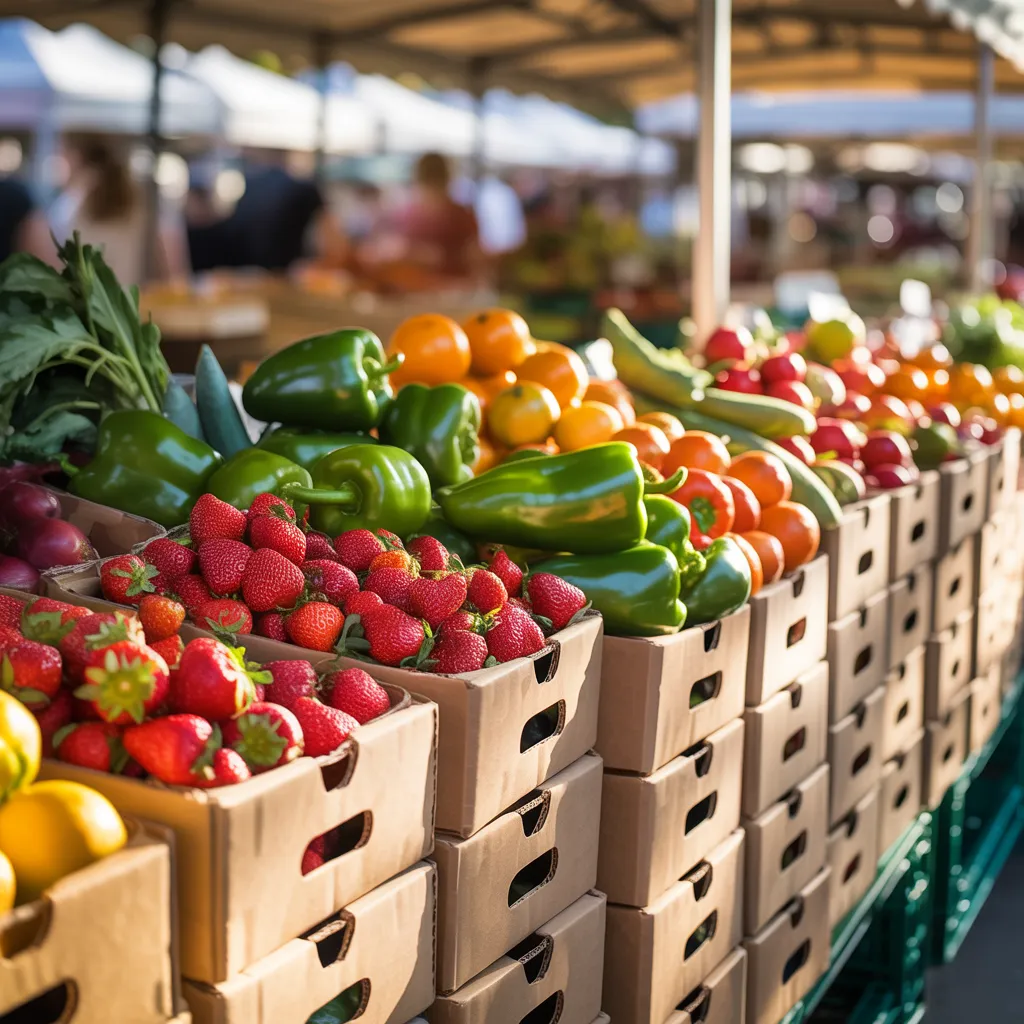
Handling and transport aspects have a significant part in defining the appropriate dimensions and configuration of bespoke agricultural containers. The dimensions must contain the items without unneeded area, which could cause shifting and damage in transport. Small boxes facilitate simpler management, while big containers may be essential for larger items. Also, thoughtful design is important; handles and openings should get strategically placed to allow for easy lifting and carrying. The shape relating to the container equally determines stacking with stability, ensuring which goods stay intact. Finally, thorough thought regarding such components enhances the productivity of shipping, minimizes product waste, and maintains the overall soundness concerning the produce beginning at field to buyer.
Improve Retail Space Management
Effective shelf space usage copyrights upon establishing the proper form and dimensions of custom storage containers. Developers should factor in the layout specifications of the shelving units as well as the sorts of produce being positioned. Rectangular boxes often strengthen space optimization, allowing for smoother arrangement and stacking. By contrast, nonstandard shapes can heighten visual appeal but may result in unutilized gaps if not meticulously planned.
It's vital to review the product rotation speed; fast-selling items might leverage compact, readily accessible boxes. Moreover, utilizing flexible or customizable designs can support various dimensions of merchandise while refining display organization. By stressing functionality and aesthetic value, enterprises can construct a practical and eye-catching presentation that improves both accessibility and visibility of goods.
How to Design Visuals That Capture Attention?
Engaging graphics can convert a simple custom produce box into a visual masterpiece that captures attention. To accomplish this, designers should start by selecting a color scheme that showcases the vitality and energy of the produce. Bright, striking colors can inspire sensations of freshness and wellness, driving consumers to take a second glance.
Bold typography remains crucial; clear and legible fonts can adeptly convey essential information while enhancing visual appeal. Furthermore, using excellent images of the produce can establish instant connection, showcasing the product's quality and engaging potential buyers.
In addition, integrating unique patterns or illustrations can help differentiate the brand in a crowded market. Uniformity in design elements, such as logos and taglines, reinforces brand identity. Ultimately, a blend of creativity and clarity in graphic design can greatly elevate the influence of custom produce boxes, making them stand out on shelves.
Sustainable Practices for Custom Produce Box Containers
An increasing amount of organizations are implementing sustainable practices for custom produce box packaging, acknowledging its importance in today's environmentally conscious market. These methods often involve the use of compostable materials, such as recycled paper and plant-based plastics, which lessen environmental impact. Companies are also focusing on sustainable sourcing, ensuring that materials are obtained from responsibly managed forests or suppliers who prioritize environmental stewardship.
Also, many brands are selecting simple designs that lower waste while still effectively displaying their products. This method not only appeals to environmentally conscious consumers but also assists with cutting production costs. Moreover, businesses are increasingly establishing efficient manufacturing processes that restrict energy consumption and waste generation. By integrating these sustainable practices, companies not only improve their brand image but also contribute positively to the planet, matching their operations with a sustainable future.
Testing Your Personalized Produce Box Design
Reviewing the construction of bespoke vegetable packaging is an significant phase in confirming they fulfill both appearance-based and functional standards. This process usually encompasses studying components such as robustness, size, and practical use. First, working models should be created to evaluate the package's overall soundness, making sure it is able to handle shipment and preservation without compromising the contents.
Afterwards, usability reviews can be undertaken to ascertain how readily the boxes can be opened, closed, and nested. Feedback from likely users can be invaluable in this phase, revealing viewpoints into the box's practical application.
Moreover, the design's visual appeal should be tested through focus group discussions or customer surveys, gauging consumer reactions to branding elements, hues, and overall presentation.
In the end, thorough evaluation allows designers to enhance the box, guaranteeing it not only appeals to customers but also effectively protects and displays the produce within, striking the right balance between form and function.
Effectively Marketing Your Personalized Produce Boxes
Impactful marketing of custom produce boxes requires a well-planned strategy that highlights their distinctive advantages and value. Businesses must concentrate on pinpointing their intended customers, whether they are local farms, grocery stores, or individual consumers. Capitalizing on social media platforms can enhance brand awareness, presenting the boxes' appearance and functionality through engaging visuals and storytelling.
Moreover, collaborating with local influencers or farmers can enhance credibility and expand reach. Offering special deals or reduced prices during peak seasons can draw first-time customers and encourage ongoing purchases.
Additionally, emphasizing environmental responsibility and green practices in marketing materials can resonate with environmentally conscious consumers. Providing comprehensive details about material composition and the advantages of tailored packaging solutions can further differentiate the product in a competitive market.
In the end, a thorough promotional strategy that combines digital and community-based efforts will efficiently advance custom produce boxes, engaging a mixed clientele and driving sales.
Regularly Posed Questions
What Costs are Involved in Custom Produce Box Customization?
Charges connected to custom produce box design include materials, print services, labor, and delivery costs. Moreover, design services and minimum order quantities can affect total expenses, leading to variable pricing based on individual requirements and manufacturing size.
What Length of time Is Needed to Make Tailored Boxes?
Creating custom boxes usually takes two to six weeks in production. Multiple elements that influence this timeframe include design intricacy, material availability, and production capability, each of which may influence delivery timelines and turnaround times.
Is it Feasible to Buy a Small Volume of Tailored Produce Boxes?
Yes, small quantities of bespoke produce containers can typically be placed. Many providers extend minimum order quantities, permitting businesses or individuals to acquire tailored packaging solutions without needing to commit to large amounts from the beginning.
What Are Common Mistakes to Prevent in Custom Box Design?
Common mistakes in custom box creation include failing to address functionality, disregarding brand consistency, downplaying material quality, failing to consider target audience preferences, and neglecting environmental impact. Each aspect is essential for effective packaging and customer satisfaction.
What Precautions Should I Take to Guarantee My Boxes Are Food-Safe?
To guarantee boxes remain safe for food consumption, you should choose components certified for food contact, avoid harmful inks and adhesives, preserve cleanliness during production, and regularly test for compliance with health regulations and safety standards.